Taxusspp.
The thing about plant life flake is that they can find the most seemingly insignificant act of greenery to be cool .
The plant life that fascinates us would make a layman ’s eyes glass over over , while also set them in a near - psychogenic fugue res publica . showing A : me nerding out over a fern ’s life cycle at last yr ’s Super Bowl company .
We link to vendors to help oneself you find relevant product . If you buy from one of our links , we may earn a commission .

Editorial credit: Duncan Andison / Shutterstock.com
But even those with little wonder for Mother Nature would discover yews quite gripping .
It ’s like someone took a bunch of quality that awe-inspiring plant life are supposed to have and mashed them all together : decorative beauty , years of mythic significance , usefulness in weapon - fashioning and medicine , plusa deadly perniciousness ? ! ?
It ’s well deserving bestow a coinage or two ofTaxusto your garden . Coming in many dissimilar sizes , habits , and validity , there ’s a plethora of varieties out there just waiting to call your landscape painting household .

Feel free to read that sentence again , but with Sarah McLachlan ’s “ Angel ” playing in the setting for emotional catharsis .
Along with the fascinating history of theTaxusgenus , this guide will take the air you through right yew finish , how to utilize these plants in the landscape painting , and how to keep yours devoid of blighter and disease .
Here ’s what ’s forward of “ yew ” :

What You’ll Learn
What Are Yews?
belong to the Taxaceae family , theTaxusgenus is composed of the handful of evergreen coniferous tree and shrub species that we hump as yew .
I ’m keeping thing vague by say “ handful ” because , taxonomically , these plant have been tough for phytologist to sort out .
For starters , they all look pretty much alike , even among those who study them for a livelihood .

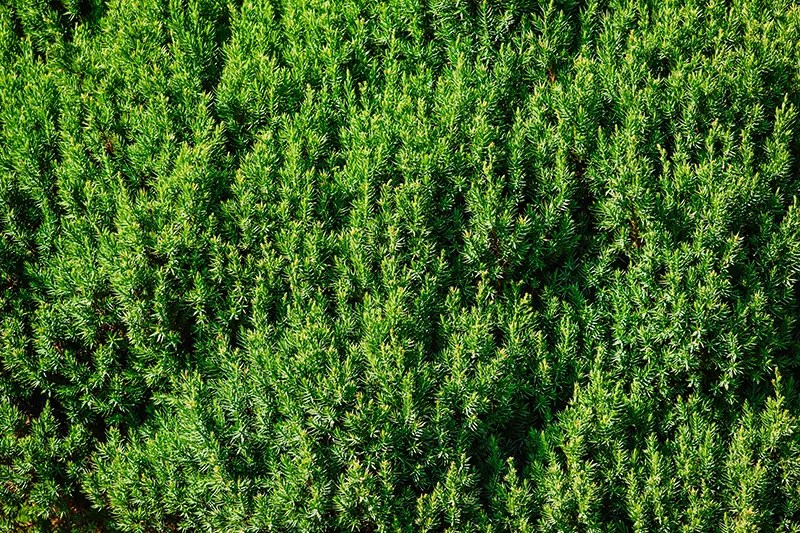
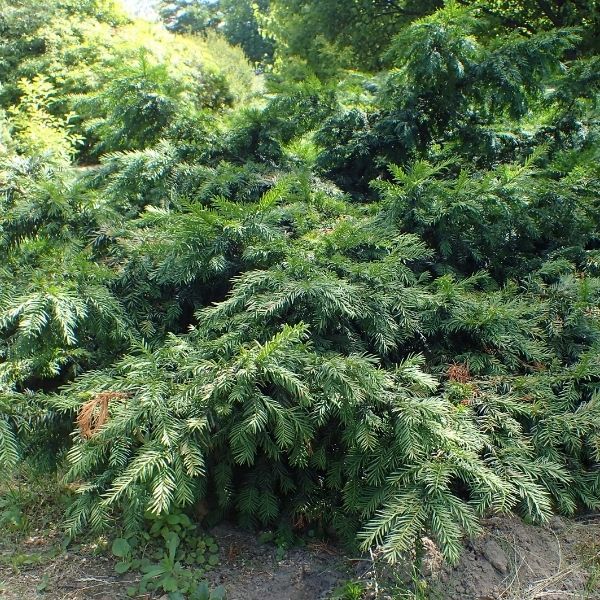
In general , yews have reddish bark , along with sullen green , flattened , and lance - shape leave about one - one-half to one - and - a - half inch long , which are arrange in a straining , near - opposite fashion along the fore .
Their seed cone reach a fourth part - column inch in length , and are surrounded by scale which morph into bright red , delicate aril that appear quite berry - similar . Each of these contains a seed .
Several botanic brainiacs have tried their handwriting at classifyingTaxusspecies over the years .

In 1903 , R. K. F. Pilger identified them all asT. baccataorT. baccatasubspecies , while R. W. Spjut dividedTaxusinto 25 unlike species and over 50 varieties in 2007 , based on the slightest of structural difference .
now , classifyingTaxusaccording to physical trait , geographical location , and genetic blood line break via DNA examination has become the go - to come near for yew identification .
Advancements in technology and taxonomy will unwrap more type of yew and continue to shed light on up discombobulation as time fail on .

AllTaxusspecies contain taxanes , which are highly poisonous alkaloids . It only takes a bit amount of taxanes to vote down humans , dog , and cattle , while snort and deer can snack on these plant with no ill effects .
The only parting of a yew ’s structure that are liberal of these dangerous compound are their hopeful red arils , which smack quite angelic … grass at your own risk of infection .
Squirrels are known for being practiced at removing the seeds – leaving the yield for the wildlife to relish is advocate . Inhaled sawdust and fume from burn greenery may rise vicious as well , so care for these plants with forethought .

Cultivation and History
Distributed across Africa , Europe , and Asia as well as North and Central America , species ofTaxusare pretty widespread , with the genus have a collective hardiness within USDA Zones 2 to 10 .
Yews sweep a red-hot second of history – Paleotaxus redivivaandTaxus jurassicafossils were discovered in Paleolithic rock candy layers or strata about 200 and 140 million years old , severally .
And in more recent history , some in particular elderly trees located in the British Isles today are thought to be thousand of long time old !

Yews were associated with Hecate , an ancient Grecian goddess of deception and crossing , and Banbha , a primal Irish warrior goddess .
As long - live , slow - raise trees that can reform a ring of raw short pants around the decaying older ace , yew tree were reverence by druids as symbols of immortality , last , and rebirth .
These Gaelic hedonist worshiped at yew - backbreaking holy sites , which Christians afterward used as sites for building their churches .
memorial park near these churches were sate withTaxustrees . Some of these were intentionally planted because it was thought at the time that yews would take in any toxic evaporation produced by the moulder body that lay in their shallow grave .
The name “ Taxus ” comes from “ taxonomic group , ” which is Grecian for “ obeisance . ”
A fitting name – yew was a high - assess timber for wee longbow , since it possesses that stark compounding of toughness and snap for shooting arrow at laughably high velocities .

With a longbow made from yew and Hawkeye - esque accuracy , an English archer could put down a amply armoured knight from 200 yards away , which really came in handy for repulse invading forces .
In the 1960s , taxanes from the barque ofT. brevifolia – i.e. the Pacific yew – were come upon to be anti - tumorous . Subsequent enquiry and development direct to the introduction of taxol : a naturally - derived drug used in chemotherapy treatments for a variety of different cancers .
The bark of an entire Pacific yew was needed to yield just a undivided back breaker of the drug , which was not ecologically sustainable in the slightest .

A method of synthesizing taxol from the more abundantT. baccatawas developed , which head to the cell culture method used for taxol yield today .
Besides their use in combat medieval soldier and cancerous neoplasm , yews are also utilized in ornamental horticulture , with over 400 named cultivars to date .
It ’s this aesthetic software that we ’ll be focus on in this guide … because as cool as a bow - making or an anticancer medication - craft tutorial would be , both are a bite beyond my expertness .

Propagation
Growing a yew from ejaculate is n’t advisable , since germination can take several year .
Propagation from cuttings is faster and it guarantees a transmissible knockoff of the yew you ’re propagate from . You could also just transplant aTaxus , if babying a propagule for extended durations ai n’t your speed .
From Cuttings
In later summer or early autumn , use a sterilized blade to take four- to six - inch duration of semi - hardwood cuttings from healthy upright shoots .
Remove the farewell from the lower half of each cutting , and coat the defoliated ends in a rooting internal secretion , such as this IBA powder from Bonide that’savailable from Arbico Organics .
Bonide Powdered Rooting Hormone

Stick the internal secretion - coat end of each cutting into its own well - draining , four - inch pot filled with sand .
wash the Amandine Aurore Lucie Dupin and place the great deal in collateral sunshine indoors , making sure to keep the growing media moist while root organise .
lieu saucers or trays under the pots to pull in H2O as it run out , which will prevent water impairment on whatever surface you ’ve place them on , and the subsequent kick - of - oneself . Be trusted to empty the disk or trays immediately after watering .

Test for root growing by giving cuttings a gentle tug . If they refuse , you ’ll know that stem have develop .
You should repot the cuttings into larger containers as needed to foreclose them from becoming solution bound , and continue to keep them moist and exposed to indirect light indoors .
get along early spring , provided their root systems are potent , they ’ll be ready for hardening off , which will condition them for outdoor survival .

It ’s a simple process : go away them alfresco for 30 to 60 minute before bringing them inside , then double that exposure time the next twenty-four hour period . proceed to add half an hour to an hour of outdoor time on each subsequent day until they can expend a full day outside .
Now it ’s transplanting time , baby !
Via Transplanting
To transplantTaxus , you ’ll either need rooted yew cutting that have been indurate off , or aTaxustransplant from a glasshouse or other vendor . We have some solid recommendations for the latter in the “ Species to Select ” section below , so do n’t miss that !
Once you have your transplantees quick in former spring , pick out a fat , well - enfeeble planting site for each one .
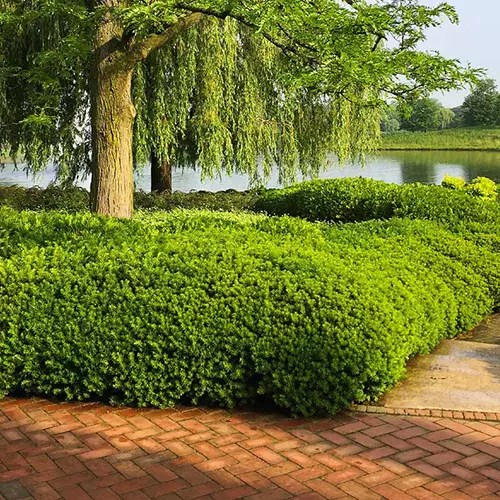
For yews that you wish to grow together as a hedge , distance planting internet site about 12 to 18 inches aside . If you need your yews to stand out as specimen , be certain to provide a site large enough to lodge each yew ’s fledged height and spread .
Once your situation are take , dig jam about the size of the graft ’ root systems . Place the transplants within – making sure that their crown are level with the grime surface – and backfill the trap with soil .
Thoroughly water in the graft , andpresto ! Your yew have arrived in their lasting home .
How to Grow
A yew is only as awesome as its planting land site earmark . Give it an optimum growing environs , and it ’ll thrive . Otherwise , the esthetic potential of aTaxuswill be bottlenecked by subpar rise conditions .
Climate and Exposure Needs
Different specie ofTaxushave varying amounts of lustiness . T. canadensisis hardy all the way northerly to USDA Zone 2 , while any region more northerly than Zone 8 would be too inhuman forT. globosato bear .
It ’s exceedingly significant to sleep with the temperature requirements of the specific species you ’re cultivating .
For more tips , be sure to check out our supplementary guide , “ How to Manage Winter Damage in Yews . ”

yew do passably well in full to partial sun , although sunlight that ’s too coarse will dry out industrial plant out if they ’re not kept properly hydrated . These plants can even tolerate full shade , but growing might become stunted or leggy as a result .
ProtectTaxusfrom strong air current , as foliage dehydration could occur as a solvent of such exposure .
Soil Needs
One way to kill or severely limit the ontogeny of your yew is to render short drainage . “ moisture foot ” spell catastrophe forTaxus , so ensure that the soil has excellent drainage .
High birth rate is another soil timber to shoot for , along with a slimly acidulent pH of 6.0 to 6.5 .
If the above stipulation are provided , then the exact soil grain used to get there is n’t super important .

Irrigation and Fertilization Needs
ATaxussitting in wet , waterlogged soil for even a short stretching of time is at risk of foliar chlorosis , root rot , and death .
Combine that grim reality with a yew ’s drought tolerance , and it becomes evident that too niggling water is way good than too much . Therefore , water only when the top three inches of soil feel dry once plant are established .
yew enjoy growing in fertile soil , so a couple inches of well - rotted manure or compost run into the root zone each saltation should keep these guy wire happy .
These Sir Herbert Beerbohm Tree grow at a warm pace when they ’re young – up to a metrical unit per yr – so they will decidedly put those soil nutrient to good habit !
Growing Tips
Pruning and Maintenance
A decent pruning prior to the appearance of new growth in former leaping will both reinvigorate growth and keep your yew in its ideal human body . verify to follow the one - third rule : remove no more than one third of the industrial plant in one go .
Unless you spot damage , idle , or morbid leg , that is – you’re able to prune these whenever you bump to see them . Either direction , if the slicing and dice ofTaxusever takes place , verify it ’s done with sterilize blades .
An inch or two of mulch around the root geographical zone will economize moisture and smother weeds , while also help to prevent oversaturation of the dirt . Space the mulch a couple inches aside from the crown to forfend rot .

Species and Cultivars to Select
I ’m not gon na dwell – these species all flaunt incredibly similar leave , to the period where selection found on the foliage will leave you more discomfited than the toughest “ distinguish the divergence ” puzzle .
But when you evaluateTaxusspecies based on size , riding habit , or hardiness , their individual merits more clearly reveal themselves .
Let ’s have a look at some yews !

Anglo-Japanese
Hardy to USDA zone 4 to 7,Taxusxmediais a loan-blend of the English and Nipponese varieties , mix the former ’s densely - packed arm with the latter ’s winter hardiness .
Depending on the cultivar , the Anglo - Nipponese yew reaches a mature summit of two to 20 foot with a spread of two to 12 feet .
The ontogeny habit of this hybrid is variable as well . ‘ Hicksii , ’ orHicks yew , is a columnar diverseness that typically grows 10 to 12 feet magniloquent with a facing pages of half that .

‘ Hicksii ’
Nature Hills Nurseryoffers ‘ Hicksii ’ in # 3 containers .
‘ Densiformis , ’ on the other hired hand , has a more spreading use , with a mature height of three to four feet and treble that in width .

‘ Densiformis ’
‘ Densiformis ’ plants areavailable from FastGrowingTrees.com .
Canadian
Also known asT. canadensis , the Canadian yew is the most cold - hardyTaxuson our listing – it ’s capable to survive as far north as Zone 2 ! This yew hail from northeastern North America , from Newfoundland as far in the south as Tennessee .
It ’s also pretty small , as it grows three to six feet tall , with a facing pages that ’s often twice as extensive as its height .
T. canadensisis quite straggly for a yew , and often exhibits a low - spreading and prostrate habit . For a shrub that also doubles as a solid ground blanket , the Canadian yew is perfect !
If droopy branches are a routine too nonchalant for your liking , ‘ Stricta ’ is a cultivar of this species with strictly upright greenery .
English
Native to Europe , northern Africa , and southwestern Asia , T. baccatatypically maturate 30 to 60 feet tall and 15 to 25 feet wide at maturity .
Hardy in zone 5 to 7 , the English yew is known for specially impenetrable branching , and typically has a widely - go around drug abuse , although there are a superfluity of different soma offer by various cultivars .
It ’s idealistic for use as a shadowiness tree or a screening hedge , since the tightly - packed greenery of this industrial plant makes it problematical for sunlight or prying oculus to thump their way through .
And although not as dumb a canvas as , say , a Turkish boxwood , T. baccatais a o.k. plant for topiary piece of work .
English Yew
The standard species can be purchasedfrom Nature Hills Nursery .
There are also a span of interesting cultivar to note . Growing up to 30 feet in high spirits and eight feet wide , ‘ Fastigiata ’ – also known as the Irish yew – has all of its branch pointing straight up , making it a skinny plus to tight spaces .
But do n’t disconcert it with the cultivar of the same name that is a case of upright Japanese plum tree yew , orCephalotaxus harringtonia .
‘ Repens Aurea , ’ on the other hand , reaches a matured sizing of 14 inches tall and 4 feet wide , and flaunt golden - green leaf .
Japanese
A various flora , T. cuspidatatraces its origins to Japan , Korea , and the part of northeast China once be intimate as Manchuria , and is hardy in zone 4 to 7 .
get to fully grown heights of 10 to 40 substructure , the Japanese yew ordinarily spreads all-inclusive than it grows grandiloquent , and has a more irregular habit and more open branch thanT. baccata .
Hedges , bonsai , institution plantings – the Nipponese yew can fill up all those role and more .
‘ Golden Treasure ’ is a bright gold , compact cultivar that shines best in full sun , while ‘ Capitata ’ reaches 40 to 50 feet in a stereotypically tree - like pyramidal form .
receive more elaborate gratuity on caring for Japanese yews here .
Managing Pests and Disease
distribute with pests and pathogens is not the most fun part of grow plant , but it ’s one of the most essential .
Thankfully , the risk of many of these infestations and infections can be reduced just by care for yourTaxusproperly , since health and vigor plays an important persona in stave in off problem and better resistance .
Herbivores
Birds eat up yew Berry , and woodpeckers likeyellow - bellied sapsuckersmay once in a while cause wrong if branch are girdled by the holes they make .
But permit ’s focalise here on a common hoofed foe of gardener everywhere , which is none other than the …
“ But they ’re so cute ! ” you might protest . You get laid what’snotcute , though ? own the bottom five feet of yourTaxusdefoliated after a deer Edvard Munch - a - thon .
When winter strike , thirsty cervid look for anything green , which includes yew .
And while squander a minuscule amount of leave would be enough to kill you and me , cervid stomachs ca n’t quite tolerate the taxanes , expelling them and allowing the animals to make a full smorgasbord out of an otherwise toxic meal .
spray plant life with cervid repellant or putting up cervid fencing around your property are your best bet .
Enviro Pro Deer Repellent
Six - pound tubful of grainy cervid repellant are sell byEnviro Pro on Amazon , and we have aDIY deer fencing templet for ya right here !
Insects
In addition to the forcible damage they do , creepy - crawly pests also tend to sway pathogens from flora to plant , so proper plague management is cardinal . It ’ll save you a lot of pain in the neck on the disease front !
Otiorhynchus sulcatusis also known as the taxus weevil , which signifies its status as a mortal foe of the yew .
Both the lustrous smuggled , hard - shelled adults and the white , coke - shaped , legless grubs tip on yews .
The former leave half - oval notches on foliation – which is less damaging and more indicative of an infestation – while the latter feed on root and lower prow , result in reduced nourishing period and eventual plant life death .
In belated spring , distaff adult dwell up to 500 egg in the soil near plant life bases , which brood in midsummer . Larvae emerge and feed in summer , fall , and in the spring following an overwintering period in the soil .
adult will also occasionally overwinter in the grunge but it ’s not as plebeian , and these pests normally produce only a single generation per year .
spray plant life with neem oil can stamp out the adults , while eats are best taken out with a soil drench ofbeneficial nematodessuch asSteinernema carpocapsae .
Natria sell 24 - apothecaries' ounce bottles of ready - to - spray neem oilon Amazon , andArbico Organicsoffers the aforesaid nematodes in copious amounts of larva - slaying awesomeness .
Cecidophyopsis psilaspisis an occasional yet serious pest of yews , whose summertime and hang eating distorts shoots and foliage .
These deep crimson , microscopical pests invade branch bud via flatus migration in summer , with up to 1,000 tinge fitting on a single bud . The adults overwinter between bud scales , and thus get a mind start on warp bud increase come springiness .
symptom of an infestation admit needle and shoot distortion . utilize horticultural oil color or insecticidal scoop to plants about a calendar week before bud break will kill any overwintering adults , should your plant be prostrate to infestation .
Given the flyspeck size of these pests , enlisting the help of a pest direction specialist or propagation agentive role for a diagnosis would be wise .
The most blazing phase of the life cps ofDysmicoccus wistariaeis maturity among the females , which are a one-fifth to a third of an column inch long , with cerise , oval - form , wingless , segmented body , and coat with a white wax .
Males are smaller , white , and dual - winged , while nymphs are small , smooth , and yellow to brownness in color .
The nymphs overwinter in the bark , and emerge in bound to feed , usually in the crotches of twigs . This feeding fuels their transformation into adults , and continues until just before the comer of winter .
In addition to excreting honeydew – which can attractblack sooty mould – taxus mealybug feeding causes greensickness , leaf decline , dieback , and overall poor growth .
remove white , cottony masses of egg and pruning away extremely - infested branches will serve to ascertain population and prevent further impairment . The pestilence can also be removed by hand with cotton fiber swabs dip in isopropyl alcohol .
to boot , you canintroduce good insectssuch as ladybug , lacewings , syrphid fly , and leechlike WASP as a form of biological war . For a selection of mealy bug - murder bugs , fit out Arbico Organics .
ellipse - shaped , brown - imbue , and up to a fifth of an column inch long , adultParthenolecanium pomeranicumcan be found sucking sap and excreting honeydew on the leafage and arm of infectedTaxusin early summer .
They lay eggs , which nymphs emerge from in late summer to feed alongside their parents .
Small population are n’t a cause for concern , but heavier infestations can tense plants and negatively impact emergence . Additionally , yew weighing machine excrete honeydew , which impacts aesthetic and provides idealistic consideration for jet-black mold to develop .
Swabs of isopropyl alcohol , springtime sprays of horticultural oil , and the introduction of lifelike predators such as parasitic wasps and ladybugs will help keep yew scale under dominance . Prune away any heavily infested branches .
Disease
One of the elementary and most effective ways of prevent disease spread is to be aware of healthful practices in the garden .
This means sanitizing your garden tools in between unlike plantings , planting disease - free line , and working with pathogen - liberal soil .
triggered by several different metal money ofPhytophthoraoomycetes , aka water molds , Phytophthora crown and solution rot is a in particular tough disease to manage .
Living in the nearby grime , the causal pathogens bring about spore that can travel to vulnerable roots via waterlogged soils .
When a yew is infected , the hunky-dory roots are the first to die , conform to by the larger ones , and then the crown finally perishes .
Once the crown is afflicted , aboveground symptoms start – leave-taking become stunt , wilted , chlorotic , and necrotic , while the subdivision themselves begin to die back .
The water mildew thrive in pixilated and low - O condition , both of which are provided by waterlogged soils . Upon arrival , these pathogens can persist in the soil for years .
Prevention is preponderant : ensure that your grease is well - draining . septic plant must be withdraw and destroyed , and contaminated soil should be avoided until you’re able to desexualize it .
Do this by take the lovesome meter of class to piddle infect soil deep , then set a clear tarpaulin over the polluted soil , with the finish of sustain daily temperature of 110 to 125 ° F in the top six inches of soil for four to six weeks .
The temperature should be checked frequently with a thermometer . Keep the tarp in place with rocks or bricks , and add an extra week or two of solarization if current of air , moth-eaten , and/or muddy weather condition hit , get the dirt temperature lower than what ’s necessary .
The physiological condition known as root hogwash also does not have to be pathogenic – although it can convey about experimental condition that certain pathogen love – and “ wet feet ” can pose a significant threat to a yew ’s health .
When the roots sit in oversaturated grease or stand water , they suffocate from reduced O . Even without any pathogens present , this is enough to lead to reduced maturation , leaf chlorosis , foliar browning , dieback , and expiry .
supply undecomposed soil drainage is the best way to preclude and care for a yew suffering from “ soaked fundament . ”
If the specimen is too far gone , you ’ll have to off it and replant . If ample soil drainage is n’t possible , replace the yew with a more pee - tolerant flora such asviburnum , arborvitae , or deciduous Charles Hardin Holley ( Ilex decidua ) .
Best Uses
Yews are botanic polymath : masters in many unlike area .
For starter , they can stand out on their own as specimens , bonsai , or topiary plantings . They can also diddle a supporting role to more colorful plantings , as their dark green foliage often provides the perfect backdrop .
Around the habitation , Taxuscan graciously line the social system ’s foundation , designate property limit , or just provide someprivacy as a masking hedge .
Within each of these roles , a multitude of cultivars provide seemingly endless options in terminal figure of sizing and ontogeny use .
Honestly , the sky ’s the bound – along with your budget and vision – for what you’re able to do with one of these bad boys !
Quick Reference Growing Guide
Put a Yew in Your Gardening Queue
I ’m certain there are many incredible plants that you have in judgement for next planting , but the yew utterly deserve to be at the top of that list . There must be a spot somewhere in your garden where one can shine .
Hopefully , this pathfinder has allow some helpful guidance on theTaxus - growing process . Do n’t be afraid to deviate from these recommendation if a special species or variety has slightly different precaution requirements .
intrigue by evergreen shrubs ? Have a read of these guides next :
© Ask the Experts , LLC . ALL RIGHTS RESERVED.See our TOSfor more details . mathematical product pic via Arbico Organics , Enviro Pro , FastGrowingTrees.com , Nature Hills Nursery , and Plants Express . Uncredited photos : Shutterstock .
About
Joe Butler
